- Testosterone mainly drives sex drive. Erections depend mostly on blood flow and nerves.
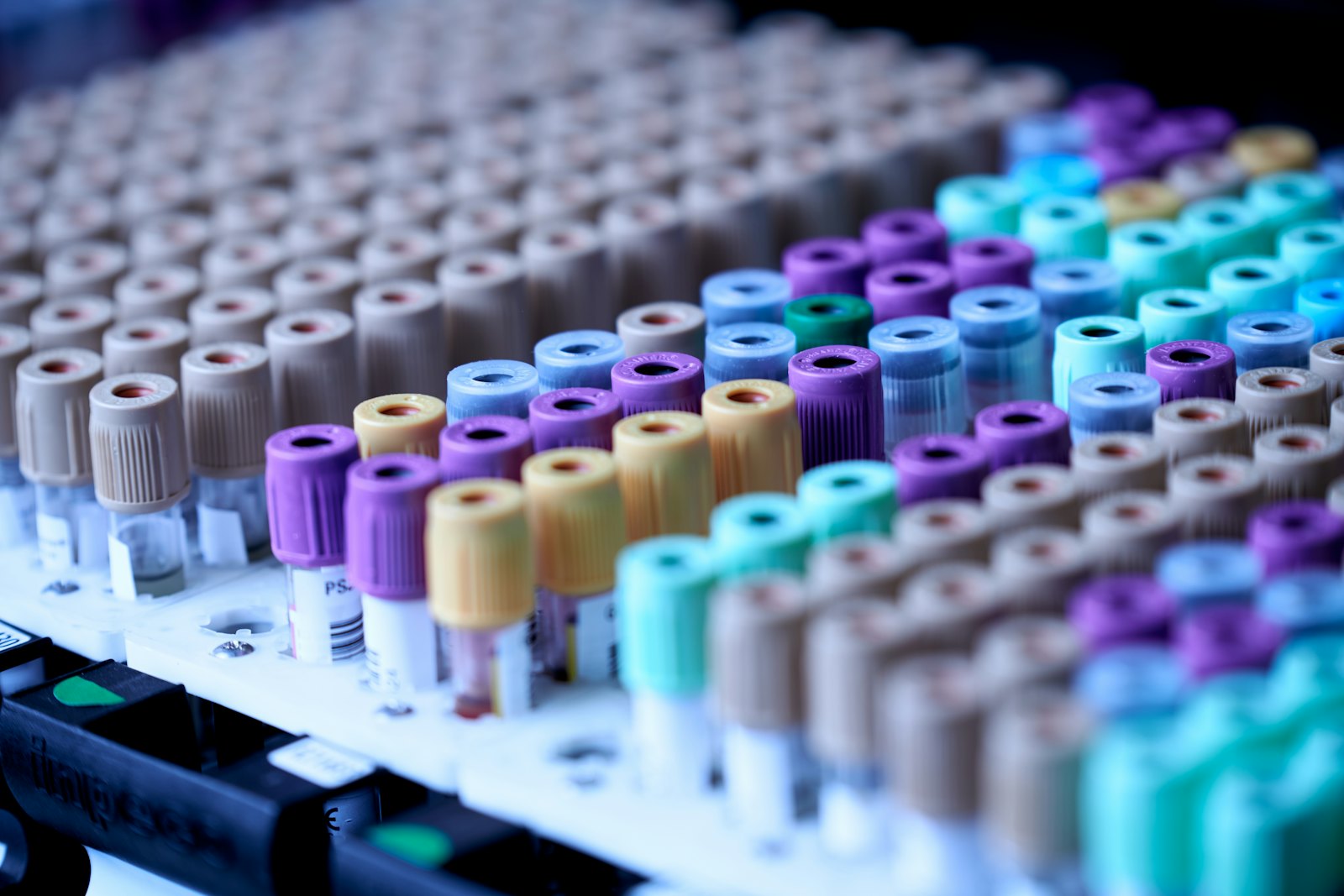
- Low testosterone is diagnosed with two early-morning blood tests plus symptoms, not one test or a quiz.
- Testosterone therapy can help men with genuinely low levels, but it can reduce fertility.
- Most over-the-counter "testosterone boosters" have no good evidence behind them.
What testosterone actually does for sex
Testosterone's biggest sexual job is desire: wanting sex, thinking about it, noticing attraction. It also plays a supporting role in erections, for example in spontaneous night-time and morning erections, and it seems to help ED tablets work properly.
But a man can have normal testosterone and still have ED, and a man with low testosterone can still get erections. If your desire is normal and the problem is purely keeping an erection, testosterone is usually not the main cause.
Symptoms that suggest low testosterone
- Low sex drive that's new for you
- Fewer morning erections
- Tiredness and low energy
- Low mood or irritability
- Losing muscle or strength, gaining belly fat
None of these is specific. Poor sleep, stress, depression and too much alcohol cause the same symptoms, which is why a blood test matters.
How to get tested properly
Testosterone levels swing during the day and are highest in the morning. Guidelines recommend:
- A blood test in the morning, ideally before about 10am.
- If it's low, a repeat test on a different day to confirm.
- If it's confirmed low, further tests to find the cause (such as LH and prolactin).
The American Urological Association uses a total testosterone below about 300 ng/dL (roughly 10 nmol/L) as a reasonable cut-off, together with symptoms. A single afternoon test, or a home kit taken at the wrong time, can mislabel a normal man as "low".
Common causes of low testosterone
- Obesity and type 2 diabetes, the most common reversible causes
- Long-term opioid painkillers
- Past anabolic steroid use, which can switch off natural production for months or longer
- Pituitary or testicular problems (less common)
- Ageing: levels fall slowly, by roughly 1% a year from middle age
Losing excess weight raises testosterone naturally, and it also helps erections directly. More on lifestyle changes.
Testosterone replacement therapy (TRT)
For men with confirmed low levels and symptoms, TRT (gels, injections or patches) can improve sex drive, energy and mood. Its effect on erections alone is modest, but it can help ED tablets work better in men who are truly deficient.
TRT also needs regular blood tests, because it can raise your red blood cell count. It should be prescribed and monitored by a doctor, not bought online without a prescription.
What about testosterone booster supplements?
When researchers reviewed 50 popular "T booster" supplements, 90% claimed to boost testosterone, but fewer than a quarter of their ingredients had any data showing they raise it. Some had data showing they lower it, and 13 products contained more zinc, vitamin B3 or magnesium than the recommended upper limit. Save your money for a blood test.
Sources
- Mulhall J.P. et al. "Evaluation and Management of Testosterone Deficiency: AUA Guideline." Journal of Urology, 2018.
- Bhasin S. et al. "Testosterone Therapy in Men With Hypogonadism: An Endocrine Society Clinical Practice Guideline." Journal of Clinical Endocrinology & Metabolism, 2018.
- Clemesha C.G. et al. "'Testosterone Boosting' Supplements Composition and Claims Are not Supported by the Academic Literature." World Journal of Men's Health, 2020.